الأربعاء، 22 يوليو 2020

Top Nutrition Tips for Everyday Health | Healthy Eating Tips, Eat Right


A balanced diet for you...

The simple lifestyle shifts in the Eat Sleep Burn ugly belly fat…


Eating Right, Nutrient-rich foods provide energy for women’s busy lives and help to reduce the risk of disease. A healthy eating plan regularly includes:

At least three ounce-equivalents of whole grains such as whole-grain bread, whole-wheat cereal flakes, whole-wheat pasta, brown rice or oats.

Top Nutrition Tips for Everyday Health | Healthy Eating Tips, Eat Right
Three servings of low-fat or fat-free dairy products including milk, yogurt or cheese; or calcium-fortified soymilk. (Non-dairy sources of calcium for people who do not consume dairy products include calcium-fortified foods and beverages, canned fish and some leafy greens.)

The Real Mom’s Guide
Five to 5-and-a-half ounce-equivalents of protein foods such as lean meat, poultry, seafood, eggs, beans, lentils, tofu, nuts and seeds.

One-and-a-half to two cups of fruits — fresh, frozen, canned or dried without added sugars.

Two to two-and-a-half cups of colorful vegetables — fresh, frozen or canned without added salt

A healthy diet is essential for good health and nutrition. It protects you against many chronic noncommunicable diseases, such as heart disease, diabetes and cancer. Eating a variety of foods and consuming less salt, sugars and saturated and industrially-produced trans-fats, are essential for healthy diet.

A healthy diet comprises a combination of different foods. These include:
Staples like cereals (wheat, barley, rye, maize or rice) or starchy tubers or roots (potato, yam, taro or cassava).
Legumes (lentils and beans).
Fruit and vegetables.
Foods from animal sources (meat, fish, eggs and milk).Here is some useful information, based on WHO recommendations, to follow a healthy diet, and the benefits of doing so.

Secret Anabolic Recipes | Cook Healthy | Muscle Building Meals
Eat plenty of vegetables and fruit:

They are important sources of vitamins, minerals, dietary fibre, plant protein and antioxidants.

People with diets rich in vegetables and fruit have a significantly lower risk of obesity, heart disease, stroke, diabetes and certain types of cancer. 

Intermittent fasting Weight Loss
Eat less fat:
Fats and oils and concentrated sources of energy. Eating too much, particularly the wrong kinds of fat, like saturated and industrially-produced trans-fat, can increase the risk of heart disease and stroke.

Using unsaturated vegetable oils (olive, soy, sunflower or corn oil) rather than animal fats or oils high in saturated fats (butter, ghee, lard, coconut and palm oil) will help consume healthier fats.

To avoid unhealthy weight gain, consumption of total fat should not exceed 30% of a person’s overall energy intake.

Belly Fat in Women
Limit intake of sugars:
For a healthy diet, sugars should represent less than 10% of your total energy intake. Reducing even further to under 5% has additional health benefits.

Choosing fresh fruits instead of sweet snacks such as cookies, cakes and chocolate helps reduce consumption of sugars.
Limiting intake of soft drinks, soda and other drinks high in sugars (fruit juices, cordials and syrups, flavoured milks and yogurt drinks) also helps reduce intake of sugars.
Reduce salt intake:

Keeping your salt intake to less than 5h per day helps prevent hypertension and reduces the risk of heart disease and stroke in the adult population.

Limiting the amount of salt and high-sodium condiments (soy sauce and fish sauce) when cooking and preparing foods helps reduce salt intake.

What came first the chicken or the egg? We may never know, but we do know there are many reasons to make eggs an essential part of your diet.
Eggs have been a dietary staple since time immemorial and there’s a good reason for their continued presence in our menus and meals. Not only do they offer culinary variety — hard-boiled eggs, omelets, deviled eggs, and then some — they are also a source of protein, calcium and several vitamins and nutrients. Here are some of the benefits of incorporating eggs into your diet.

Healthy Diet Plant-Based Diet
1. It’s a nutritious treatThough relatively small in size, eggs pack a lot of nutrition and can be an important staple in a well-balanced diet.

One large boiled egg has about 77 calories and contains:

Vitamins A, B5, B12, D, E, K, B6
Folate
Phosphorus
Selenium
Calcium
Zinc
Six grams of protein
Five grams of healthy fats

“Eggs are a good source of protein (both whites/yolk). They also contain heart-healthy unsaturated fats and are a great source of important nutrients, such as vitamin B6, B12 and vitamin D,” says Kurt Hong, MD, clinical professor of medicine at the Keck School of Medicine of USC.

2. Eating cholesterol affects different people, well, differentlyYes, it’s true that eggs — specifically egg yolks — are high in cholesterol. A single large egg has approximately 186 mg of dietary cholesterol. However, before eliminating eggs from the menu, it’s worth investigating the dietary guidelines provided by the U.S. Department of Agriculture (USDA). One study suggests that eggs don’t raise cholesterol at all for about 70% of people. According to the researchers, cholesterol in the diet doesn’t necessarily raise cholesterol in the blood. The remaining 30%, who are called “hyper responders,” can mildly raise total and low-density lipoprotein (LDL) cholesterol by consuming eggs.

3. Eggs raise good cholesterolEating eggs leads to elevated levels of high-density lipoprotein (HDL), also known as the “good” cholesterol. People who have higher HDL levels have a lower risk of heart disease, stroke and other health issues. According to one study, eating two eggs a day for six weeks increased HDL levels by 10%.

4. Get some cholineCholine is a water-soluble vitamin that is often grouped with the B vitamins. It’s used to build cell membranes and helps produce signaling molecules in the brain. One hard-boiled egg has about 147 mg of choline, which is 27% of the daily value recommended by the U.S. Food and Drug Administration (FDA).

5. Eggs help maintain your eyesightAs we get older, we need to take better care of our eyes. Egg yolks contain large amounts of lutein and zeaxanthin, helpful antioxidants that help reduce the risk of cataracts and macular degeneration in the eyes. Eggs are also high in vitamin A, which is beneficial for eye health.

Lifestyle Changes to Improve Your Cholesterol
6. Some eggs are better for youOmega-3 helps reduce triglycerides, which are a type of lipid fat in the blood. That’s why eating Omega-3 enriched eggs may be an option, particularly if you don’t enjoy other foods (fish, nuts, seeds) that are naturally rich in Omega-3. (If your triglyceride level is below 150, you’re doing well; 150-199 is borderline high; 200-499 is high; and 500 and above is considered very high.)

7. Get enough proteins and amino acidsGetting enough protein in our diets is an important way of helping our body’s health. Each egg contains about six grams of protein as well as helpful amino acids. Getting our share of protein for the day can help with weight management, increase muscle mass, lower blood pleasure, and help our bones, as well.

8. They’re not bad for the heartDespite what was believed in previous decades, there is no direct link between egg consumption and heart disease or stroke. But some studies show that people with diabetes who eat eggs increase their chance of heart disease. People who follow a low-carbohydrate diet and eat eggs have less of a chance of developing heart disease, some studies suggest.

9. It’s a filling mealYou might have noticed that eating eggs for breakfast may keep you feeling fuller for longer — that’s generally attributed to the high protein content in eggs. Whether you have an omelet for breakfast or a hard-boiled egg as a snack, eggs can help you stay satisfied after or between meals.
Top Nutrition Tips for Everyday Health | Healthy Eating Tips, Eat Right


Change Your Eating Habits
Keep to a regular eating schedule
Eat together as a family most days of the week
Eat before you get too hungry
Make sure every family member eats breakfast every day
Drink water before a meal
Stop eating when you’re full
Don’t eat late at night
Try a green salad instead of fries
Ask for salad dressing “on the side”
Chew slowly every time you eat and remind others to enjoy every bite
Serve water or low-fat milk at meals, instead of soda or other sugary drinks
Pay attention to flavors and textures
Instead of eating out, bring a healthy, low-calorie lunch to work and pack a healthy “brown bag” for your kids
Provide fruits and vegetables for snacks
Ask your sweetie to bring you fruit or flowers instead of chocolate

A Week-by-Week Stages of Pregnancy | Stages of pregnancy

A Week-by-Week Stages of Pregnancy

A Week-by-Week Stages of Pregnancy | Stages of pregnancy


The Real Mom’s Guide
Week by Week
Pregnancy Week 1 & 2
During the first two weeks of pregnancy, you are technically not pregnant yet. During these weeks, you will menstruate, after which your body will prepare to ovulate.

Pregnancy Week 3 The third week is around the time that ovulation and conception occur. During this week, fetal development will begin, including the development of the brain and spinal cord.

Pregnancy Week 4 Between the fourth and seventh weeks of pregnancy is when many women discover they are pregnant. You may begin to experience various pregnancy symptoms.

Pregnancy Week 5 During the fifth week, you will want to schedule your first prenatal appointment. At this point, you may also begin to experience morning sickness.

6 Weeks Pregnant At this point, you may experience nausea, breast changes, and heartburn, among other symptoms. Your baby’s vital organs are also developing.

Pregnancy Week 7 By the seventh week, every vital organ has begun to develop in your baby’s body. Also, while morning sickness is unpleasant, there are steps you can take to find relief.

Pregnancy Week 8 During the eighth week, you will probably experience morning sickness, and your baby is growing. You will also probably have your first prenatal appointment this month.

The simple lifestyle shifts in the Eat Sleep Burn ugly belly fat…
Pregnancy Week 9
At nine weeks, your baby is about the size of a grape and may start sucking on his/her thumb. Find out how you can prevent heartburn and get a better night’s sleep.

Pregnancy Week 10 
While most of your baby’s organs are present by the 10th week, they will continue to mature throughout your pregnancy. Also, find exercises to stay healthy during pregnancy.

Pregnancy Week 11 
At 11 weeks, you only have a couple of weeks left in the first trimester. While you may not be able to feel any movement at this point, your baby is becoming more active.

Pregnancy Week 12 
You have almost completed the first trimester! Your baby is continuing to grow, and you want to eat well to get the proper nutrients for both you and your baby.

Pregnancy Week 13
 As you finish your first trimester, you will begin to notice many changes with your body, including stretch marks. Also, your baby now has a unique set of fingerprints.

Pregnancy Week 14
Congratulations on beginning your second trimester! You and your baby are continuing to grow. Learn how to manage stress in a healthy way.
Belly Fat in Women 

Pregnancy Week 15
By the 15th week, your doctor may begin measuring your fundal height to monitor growth. Also, discover the best sleeping position for pregnancy.

Pregnancy Week 16:
 Your developing baby As you enter your 16th week, your blood volume has increased, you may have a pregnancy glow, and your baby is getting ready for a growth spurt.

Pregnancy Week 17 
By the 17th week, you are well into your second trimester. Your baby is developing adipose, your abdomen is growing, and you may experience sciatic nerve pain.

Pregnancy Week 18
By 18 weeks, your pregnancy bump is starting to show more. You may need to take time to rest during the day. You may also have your third prenatal appointment soon.

Pregnancy Week 19
During the 19th week, you may experience round ligament pain and dizziness. Talk with your doctor before using any medication or herbal remedies.

Pregnancy Week 20
Congratulations on making it half-way through your pregnancy! Now is a great time to start creating a birth plan. Also make sure you are consuming enough iron.

Pregnancy Week 21
At 21 weeks, you are well into your second trimester. For many women, this is the most enjoyable trimester. Enjoy this time as your baby continues to grow.

Healthy Diet Plant-Based Diet
Pregnancy Week 22
By 22 weeks, your baby is looking more like a newborn, although there is much more growing to do. This is a good time to sign up to take a childbirth education class.

Pregnancy Week 23
At 23 weeks, your baby is continuing to develop. This is also a great time to finalize plans for maternity leave and begin discussing options for paternity leave.

Pregnancy Week 24
By the 24th week, your baby’s brain is developing rapidly, and the lungs are maturing. You may be experiencing heartburn and changes in your skin.

Pregnancy Week 25
At 25 weeks, your uterus is about the size of a soccer ball. Your baby is gaining fat, and you may be able to find out your baby’s gender at this point.

Pregnancy Week 26
At 26 weeks, you have almost reached your third trimester! At your next appointment , you can expect your doctor to perform some routine screenings.

Pregnancy Week 27
At 27 weeks, you have begun your third trimester! At this point, you can feel your baby move more. This is also a great time to pick out an infant car seat.

Pregnancy Week 28
Around the 28th week, you will begin having more frequent prenatal appointments. This is also a great time to make plans for your trip to the hospital.

Pregnancy Week 29
At 29 weeks, it is important that you are getting adequate amounts of nutrients and rest. This is a great time to discuss you birth plan with your partner.

30 Weeks Pregnant At 30 weeks, you may be feeling more tired, and your joints may feel looser. This is the time to think about your pain relief options for when you deliver.

Pregnancy Week 31 At 31 weeks, you may experience Braxton Hicks contractions and start leaking colostrum. This is a great time to decide whether to breastfeed or bottle-feed.

Lifestyle Changes to Improve Your Cholesterol
Pregnancy Week 32
 By your 32nd week, you will probably have prenatal appointments every two weeks. Look into making a decision on whether or not to keep your baby’s cord blood.

Pregnancy Week 33
 Starting in the 33rd week, you may notice leaking amniotic fluid. You will also want to take preventative measures to reduce your chances of needing an episiotomy.

Pregnancy Week 34
By the 34th week, your baby’s lungs are well-developed. At this point, your doctor may recommend that you begin massaging your perineum to prevent an episiotomy.

Pregnancy Week 35
At 35 weeks, you may feel short of breath. You may also notice a change in your baby’s movements. Around this week, it is important to start tracking your baby’s kick counts.

Pregnancy Week 36
At 36 weeks, you only have a month to go. You may experience an increase in Braxton Hicks contractions. This is a good time to go ahead and pack your bag for the hospital.

Pregnancy Week 37
During your 37th week, your cervix will begin to dilate and efface. You may also pass your mucus plug. Take time to finish any preparations before your baby arrives.

Pregnancy Week 38
At 38 weeks, most of your baby’s organs are fully functional, and you could go into labor at any time. Try to rest, and enjoy these last few days before you meet your baby.

Pregnancy Week 39
At 39 weeks, you may not have noticed many changes over the past couple weeks. Your baby could arrive at any point, so make sure to rest and enjoy this time.

Pregnancy Week 40
Congratulations on reaching the end of your pregnancy! You will probably meet your baby this week. Learn some helpful tips for when you are in labor.

Severe morning sickness or hyperemesis gravidarum causes persistent nausea and vomiting, particularly during the first 12 pregnancy weeks. This may lead to first trimester symptoms of weight loss and dehydration, requiring IV fluids and antinausea medication. 

Pregnant women should be aware of the possibility of developing gestational diabetes. It causes symptoms like excessive thirst and hunger, frequent urination, and fatigue. Obesity and excessive weight gain are possible, especially as the pregnancy progresses.

Women are supposed to gain weight during pregnancy.

A Week-by-Week Stages of Pregnancy | Stages of pregnancy


Secret Anabolic Recipes | Cook Healthy | Muscle Building Meals
First Trimester: Week 1– Week 12:
The early changes that signify pregnancy become present in the first trimester.

A missed period may be the first sign that fertilization and implantation have occurred, ovulation has ceased, and you are pregnant. Other changes will also occur.

Some signs of early pregnancy in many women include symptoms like:
Extreme fatigue

Tender, swollen breasts. Nipples may protrude.

Nausea with or without throwing up (morning sickness)

Cravings or aversion to certain foods

Mood swings

Constipation

Frequent urination

Headache

Heartburn

Weight gain or loss.
Breastfeeding superfoods

First Trimester: The Baby at 4 Weeks Development of embryo at approximately 4-6 weeks.
At 4 weeks, your baby is developing:

The nervous system (brain and spinal cord) has begun to form The heart begins to form Arm and leg buds begin to develop.

Your baby is now an embryo and 1/25 of an inch long.

First Trimester: The Baby at 8 Weeks.

At 8 weeks, the embryo begins to develop into a fetus. Fetal development is apparent:

All major organs have begun to form.

The baby’s heart begins to beat.

The arms and legs grow longer.

Fingers and toes have begun to form.

Sex organs begin to form.

The face begins to develop features.

The umbilical cord is clearly visible.

At the end of 8 weeks, your baby is a fetus, and is nearly 1 inch long, weighing less than ⅛ of an ounce.

First Trimester: The Baby at 12 Weeks.

The end of the first trimester is at about week 12, at this point in your baby’s development:

The nerves and muscles begin to work together. Your baby can make a fist.

The external sex organs show if your baby is a boy or girl.

Eyelids close to protect the developing eyes. They will not open again until week 28.

second trimester: Week 13 – Week 28 Changes a Woman May Experience


you will also notice more changes to your body.

That “baby bump” will start to show as your abdomen expands with the growing baby.

By the end of the second trimester you will even be able to feel your baby move!

some changes you may notice in your body in the second trimester include:
Back, abdomen, groin, or thigh aches and pains
Stretch marks on your abdomen, breasts, thighs, or buttocks Darkening of the skin around your nipples.

A line on the skin running from belly button to pubic hairline (linea nigra)
Patches of darker skin, usually over the cheeks, forehead, nose, or upper lip. This is sometimes called the mask of pregnancy (melasma, or Chloasma facies).

Numb or tingling hands (carpal tunnel syndrome)
Itching on the abdomen, palms, and soles of the feet. (Call your doctor if you have nausea, loss of appetite, vomiting, yellowing of skin, or fatigue combined with itching. These can be signs of a liver problem.)

Swelling of the ankles, fingers, and face. (If you notice any sudden or extreme swelling or if you gain a lot of weight quickly, call your doctor immediately.

This could be a sign of a serious condition called preeclampsia.)

Second Trimester: The Baby at 16 Weeks.

The human fetus at about four months showing the head and upper limbs and the umbilical cord which connects the fetus (at the navel) to the placenta.

As your body changes in the second trimester, your baby continues to develop:

The musculoskeletal system continues to form.

Skin begins to form and is nearly translucent.

Meconium develops in your baby’s intestinal tract. This will be your baby’s first bowel movement.

Your baby begins sucking motions with the mouth (sucking reflex).

Your baby is about 4 to 5 inches long and weighs almost 3 ounces.

Second Trimester: The Baby at 20 Weeks:

Human fetus near his fifth month of development.

At about 20 weeks in the second trimester, your baby continues to develop:

Your baby is more active. You might feel movement or kicking.

Your baby is covered by fine, feathery hair called lanugo and a waxy protective coating called vernix.

Eyebrows, eyelashes, fingernails, and toenails have formed. Your baby can even scratch itself.

Your baby can hear and swallow.

Now halfway through your pregnancy, your baby is about 6 inches long and weighs about 9 ounces.

Second Trimester: The Baby at 24 Weeks

Human fetus at approximately 24 weeks showing details of his closed eyes, nose, mouth, and facial hair.

By 24 weeks, even more changes occur for your growing baby:
The baby’s bone marrow begins to make blood cells Taste buds form on your baby’s tongue.

Footprints and fingerprints have formed.

Hair begins to grow on your baby’s head.

The lungs are formed, but do not yet work.

Your baby has a regular sleep cycle.

If your baby is a boy, his testicles begin to descend into the scrotum. If your baby is a girl, her uterus and ovaries are in place, and a lifetime supply of eggs has formed in the ovaries.

Your baby stores fat and weighs about 1½ pounds, and is 12 inches long.

Third Trimester: Week 29 – Week 40 Changes a Woman May Experience

In the third and final trimester you will notice more physical changes, including:

Swelling of the ankles, fingers, and face. (If you notice any sudden or extreme swelling or if you gain a lot of weight really quickly, call your doctor right away.

This could be a sign of a serious condition called preeclampsia.)
Hemorrhoids.

Tender breasts, which may leak a watery pre-milk called colostrum

Your belly button may protrude.

The baby “dropping,” or moving lower in your abdomen.

Contractions, which can be a sign of real or false labor Other symptoms you may notice in the third trimester include shortness of breath, heartburn, and difficulty sleeping.

Third Trimester: Changes as the Due Date Approaches.

A doctor examines a pregnant woman’s belly.

Other changes are happening in your body during the third trimester that you can’t see. As your due date approaches, your cervix becomes thinner and softer in a process called effacement that helps the cervix open during childbirth.

Your doctor will monitor the progress of your pregnancy with regular exams, especially as you near your due date.

Third Trimester: The Baby at 32 Weeks The human fetus at 8 months, almost full term.

At 32 weeks in the third trimester, your baby’s development continues.

Your baby’s bones are soft but fully formed
Movements and kicking increase.

The eyes can open and close.

Lungs are not fully formed, but practice “breathing” movements occur.

Your baby’s body begins to store vital minerals, such as iron and calcium Lanugo (fine hair) begins to fall off.

Your baby is gaining about ½ pound a week, weighs about 4 to 4½ pounds, and is about 15 to 17 inches long.

Human fetus in utero at approximately 36 weeks.

At 36 weeks, as your due date approaches, your baby continues development:

The protective waxy coating (vernix) thickens Body fat increases.

Your baby is getting bigger and has less space to move around. Movements are less forceful, but you will still feel them.

Your baby is about 16 to 19 inches long and weighs about 6 to 6½ pounds.

Third Trimester: The baby at 37 to 40 Weeks A mom looks at her newborn child.

Finally, from 37 to 40 weeks the last stages of your baby’s development occur:

By the end of 37 weeks, your baby is considered full term.

Your baby’s organs are capable of functioning on their own.

As you near your due date, your baby may turn into a head-down position for birth.

Average birth weight is between 6 pounds 2 ounces to 9 pounds 2 ounces and average length is 19 to 21 inches long.


Most full-term babies fall within these ranges, but healthy babies come in many different weights and sizes.

Flexitarian Diet Healthier | Add Years To Your Life | The Flexitarian Diet

Flexitarian Diet Benefits: for Your Health...

Flexitarian Diet Healthier | Add Years To Your Life | The Flexitarian Diet

What does being flexitarian involve?
Becoming flexitarian is about more than simply eating fewer animal foods and more plants. It’s also about optimizing health. The quality of your food choices is also important. Here are the main principles to follow:

Eat mostly vegetables, fruits, whole grains, legumes, nuts, and seeds plus minimally processed oils.

Choose plant sources for most of your protein needs. You can also use protein powders made from pea, rice, hemp and soya combination of different plant proteins is best.

Secret Anabolic Recipes | Cook Healthy | Muscle Building Meals
Incorporate some or all the following animal-origin foods into your diet from time to time: red meat, poultry, fish, seafood, eggs, dairy products including milk, cheese, and yogurt. I’ll look at this in more detail later.

Eat the least processed, most natural form of foods. As an endurance athlete, you might want to look at switching to sports nutrition brands that use natural ingredients and are vegan. In the UK I recommend Tribe and 33 Fuel.

Limit refined carbohydrates like white bread and white rice, as well as cakes, biscuits, pastries, and confectionery. Do this in the context of your sporting life, of course, sometimes low fiber foods are just what you need. And there may well be a time and place for a good quality cake!

Avoid junk food, poor quality fats too much added sugar, and highly processed meal options.

Plant sources of key nutrients
Flexitarian Diet Healthier | Add Years To Your Life | The Flexitarian Diet

Being flexitarian is not the same as being an omnivore (someone who eats all food groups) as, by definition, a conscious effort is made to reduce animal foods and increase plant foods. So, it’s important to know which are the best plant sources of key nutrients and incorporate these regularly into your meals, as you are unlikely to meet your requirements from animal foods alone if you significantly reduce the latter in your diet.

Protein: needed for strength, muscle recovery and to support almost every system in your body. Plant sources: beans, lentils, chickpeas, tofu, quinoa, nuts, and seeds plus the proteins found in wholegrain foods. Choose a wide range as not all plant proteins contain the full range of essential acids needed by your body.

Lifestyle Changes to Improve Your Cholesterol
It is generally recommended that endurance athletes consume 1.2-1.6g of protein per kg of body weight per day, compared with 0.8g/kg for the general population.

This should be spread across your various meals or snacks each day, so the smaller amounts of protein found in plant foods can help you to do this. You can see the amounts of protein per 100g in various plant foods and compare this with foods of animal origin here.

Iron: needed to make red blood cells for oxygen transport and for energy production. The iron in plant foods is called non-haem iron, which is harder for the body to absorb than the haem type found in animal foods. But iron is found in a wide range of plant foods.

Belly Fat in Women
Some of the best sources are tofu, beans, lentils, chickpeas, cashew nuts, various seeds, dried apricots, dried figs, and green leafy vegetables.

Eat or drink a source of vitamin C (found in most fruit and vegetables) with these foods to improve how much iron you absorb.

Calcium: essential for bone health and also plays a role in muscle function. Plant sources include nuts, seeds, chickpeas (including hummus), tahini (made from sesame seeds), tofu, beans, lentils, green leafy vegetables, and seaweed.

Plant “milk” is usually fortified with calcium as they contain much less than cow’s milk. Check for this when choosing a brand.

Zinc: Important for the immune system and a healthy gut, as well as many other processes in the body.

Meat and dairy are the primary sources of zinc, but it is also found in the nut, seeds, beans, lentils, tofu, and chickpeas so some of these foods should be included in a flexitarian diet every day.

Omega 3 fats: these anti-inflammatory fats are found in certain plant foods but unlike those found in oily fish, the fats must be converted by the body to a form that can be absorbed.

This means that quite large quantities are needed. Sources include chia seed, hemp seed, flaxseed, seaweed, walnuts and pumpkin seeds. 

What Is The Paleo Diet
If you are going to follow a flexitarian diet but exclude fish and seafood, I recommend that you take a vegan omega 3 supplement made from marine algae, such as this one.

Flexitarian Diet Healthier | Add Years To Your Life | The Flexitarian Diet

a great option for anyone who wants to adopt a healthier lifestyle because it emphasizes plants without being anti-meat.

Belly Fat in Women
Lowers Risk of Insulin Resistance and Type 2 Diabetes..
74 participants consumed the same number of calories for six months. Some went on a vegetarian diet, and others went on a diet that emphasized reducing sugars, refined carbs, cholesterol, and saturated fat.

Interestingly, people on the vegetarian diet lost more subcutaneous fat (the fat under your skin), subfascial fat (the fat that lines your muscles), and intramuscular fat (the type stored inside your muscles themselves).

The fat stored in your muscles can impact your metabolism and lead to insulin resistance (and even type 2 diabetes).

A study published in Diabetes Care cited specifically, flexitarians had a lowered risk of type 2 diabetes compared with nonvegetarians.

In addition, being overweight is one of the biggest risk factors for type 2 diabetes, and this same study showed that flexitarians had lower BMIs than nonvegetarians.

Helps With Weight Loss..

If you’re trying to lose weight, there a seemingly infinite number of eating plans and diets to choose from, and the Flexitarian Diet can be considered one of the most credible. 

The simple lifestyle shifts in the Eat Sleep Burn ugly belly fat…

For one, if you emphasize the plant-based component of this diet by eating lots of fruits, veggies, and whole grains, you’ll likely feel full on fewer calories than you’re accustomed to, which makes shedding pounds almost inevitable.

Decreases Your Risk for Heart Disease..
The researchers concluded that substituting some of the meat in your diet with vegetables may be a simple way to lower the risk of heart-related death.

However, it’s worth noting that this study was not published in a peer-reviewed journal, and therefore credibility is limited.

It’s also worth noting that one case report and literature review published in the Journal of Geriatric Cardiology found that plant-based diets may be effective in preventing and treating heart failure.

Best Diets Weight loss Diet plans
Contributes to a Longer Life..
Research also suggests that Flexitarians may live about 3.6 years longer than their carnivorous counterparts, likely as a result of the reduced risk of disease.

Adds to Feelings of Fullness..

Keeps You Well Nourished..

What is the Flexitarian Diet?

Before getting into the specific benefits of a flexitarian diet, it’s important to be clear on what it actually is.

The flexitarian diet was devised by a dietitian called Dawn Jackson Blatner, and the name is a combination of the words “flexible vegetarian.” This tells you the key fact about the diet: it’s similar to being a vegetarian but much less strict. You limit your consumption of meat but not entirely.

There are really no hard rules to follow or anything like that; it’s a more general approach that keeps some key principles in mind.

Mainly eat fruits, vegetables, whole grains, and legumes.
Get most of your protein from plants rather than animals.
Eat meat from time to time.
Stick to the most natural form of foods, avoiding overly processed foods.
Try to keep any added sugar to a minimum.
This is really the core of the diet, but what it boils down to is that you’re essentially a vegetarian but you eat meat when it takes your fancy. In theory, this should offer many of the benefits of a vegetarian diet while being much easier to stick to in the long-term.

Flexitarian Diet Healthier | Add Years To Your Life | The Flexitarian Diet

The Benefits of a Flexitarian Diet
1 – Reduced Risk of Type 2 Diabetes Research has found that vegetarian diets are better for reducing the risk of type 2 diabetes than “diabetes-friendly” diets. This is expected to carry over to flexitarian diets to some extent, and indeed the review article mentioned above confirmed that there is a reduction in the risk for type 2 diabetes for flexitarians.

Since the classification of “flexitarian” is relatively new, there hasn’t been too much research on it specifically, but the results so far are strongly suggestive of a benefit.

2 – Better for the Environment Livestock is a huge source of greenhouse gas emissions, and going vegetarian or vegan is one of the best things you can do to reduce your carbon footprint. While this would undoubtedly be better, switching to a flexitarian diet still provides some of the same benefits to the environment, depending on how much you reduce your meat consumption.

When you do eat meat, avoiding beef and lamb is a particularly good idea because farming these animals contributes the most to greenhouse gas emissions.

3 – More Affordable Although there is a lot of variation in how much people spend on food shopping, flexitarian diets don’t rely on special, hard-to-find ingredients or anything more expensive than what you’ll ordinarily buy. If you currently eat meat, it’s likely that you’ll actually save a bit of money by switching to a flexitarian diet, because you’ll be replacing the most expensive part of most meals with something more affordable.

Research has backed this assumption up, too, with vegetarians saving up to $750 per year on food. Of course, as a flexitarian, your savings won’t be quite this big but you will still save money.

4 – Benefits for Weight Loss Losing weight can be very challenging to achieve, and this difficulty has spawned a whole industry of fad diets and “one simple trick” type claims to help you get the body you want.

A flexitarian diet is an ideal solution in a lot of ways, though. The basic reason for this is that plant-based foods tend to be lower in calories, so incorporating more into your diet helps you feel full but still keeps your calorie count low.

Studies have confirmed this too, although the focus is ordinarily on vegetarians and vegans. For example, one review of existing research found that people who cut out meat lost 4.5 pounds/2 kg more than people who didn’t, over an 18 week period. Another review found that people with plant-based diets weigh about 15 percent less than meat-eaters on average.

The review article on flexitarian diets mentioned earlier also covers weight loss and finds suggestive evidence of benefits for weight loss. As expected, vegetarian and vegan diets were associated with lower weights and more weight loss, but flexitarian diets were better than ordinary omnivorous diets.

5 – Potentially Reduces Risk of Heart Disease As with many of the entries on this list, there isn’t much evidence on the benefits of a flexitarian diet for your heart, but there is a lot more research on vegetarian diets. The studies looking at vegetarians tend to find a reduced risk of heart disease.

الأحد، 12 يوليو 2020

Childhood Obesity Treatment | Childhood Obesity Causes

Tips for Parents–Ideas to Help Children Maintain a Healthy Weight
Childhood Obesity Treatment | Childhood Obesity Causes
Causes of weight problems and obesity in children
Understanding how children become overweight in the first place is an important step toward breaking the cycle.

Most cases of childhood obesity are caused by eating too much and exercising too little. Children need enough food to support healthy growth and development.

But when they take in more calories than they burn throughout the day, the result is weight gain.

Causes of weight problems in children may include:

The Real Mom’s Guide
Busy families cooking at homeless and eating out more.
Easy access to cheap, high-calorie fast food and junk food.
Bigger food portions, both in restaurants and at home.
Kids consuming huge amounts of sugar in sweetened drinks and hidden in an array of foods.
Kids spending less time actively playing outside, and more time watching TV, playing video games,
and sitting at the computer.

Secret Anabolic Recipes | Cook Healthy | Muscle Building Meals
Many schools eliminating or cutting back their physical education programs.
What Can I Do to Help Prevent Childhood Overweight and Obesity?
Balance the calories your child consumes from foods and beverages with the calories your child uses through physical activity and normal growth.

Remember that the goal for children who are overweight is to reduce the rate of weight gain while allowing normal growth and development.

Children should NOT be placed on a weight reduction diet without the consultation of a health care provider.

Balancing Calories: Help Kids Develop Healthy Eating Habits
One part of balancing calories is to eat foods that provide adequate nutrition and an appropriate number of calories. You can help children learn to be aware of what they eat by developing healthy eating habits, looking for ways to make favorite dishes healthier, and reducing calorie-rich temptations.

Encourage healthy eating habits.
There’s no great secret to healthy eating. To help your children and family develop healthy eating habits:

The simple lifestyle shifts in the Eat Sleep Burn ugly belly fat…
Provide plenty of vegetables, fruits, and whole-grain products.

Include low-fat or non-fat milk or dairy products.
Choose lean meats, poultry, fish, lentils, and beans for protein.
Serve reasonably-sized portions.
Encourage your family to drink lots of water.
Limit sugar-sweetened beverages.
Limit consumption of sugar and saturated fat.
Remember that small changes every day can lead to a recipe for success!

For more information about nutrition, visit Choose My Plate.govexternal icon and the 2015–2020 Dietary Guidelines for American sexternal icon.

Look for ways to make favorite dishes healthier.The recipes that you may prepare regularly, and that your family enjoys, with just a few changes can be healthier and just as satisfying.

Remove calorie-rich temptations!Although everything can be enjoyed in moderation, reducing the calorie-rich temptations of high-fat and high-sugar, or salty snacks can also help your children develop healthy eating habits.

Instead only allow your children to eat them sometimes so that they truly will be treats! Here are examples of easy-to-prepare, low-fat, and low-sugar treats that are 100 calories or less:

Belly Fat in Women
A medium-sized apple.
A medium-sized banana.
1 cup blueberries.
1 cup grapes.
1 cup carrots, broccoli, or bell peppers with 2 tbsp. hummus.
Balancing Calories: Help Kids Stay Active
Another part of balancing calories is to engage in an appropriate amount of physical activity and avoid too much sedentary time. In addition to being fun for children, regular physical activity has many health benefits, including:

Strengthening bones.
Decreasing blood pressure.
Reducing stress and anxiety.
Increasing self-esteem.
Helping with weight management.
Help kids stay active.
Children should participate in at least 60 minutes of moderate-intensity physical activity most days of the week, preferably daily. Remember that children imitate adults. Start adding physical activity to your own daily routine and encourage your child to join you.

Some examples of moderate-intensity physical activity include:
Brisk walking.
Playing tag.
Jumping rope.
Playing soccer.
Swimming.
Dancing.

Healthy Diet Plant-Based Diet
Make healthier food choices While you may need to make major changes to your family’s eating habits, changing everything at once usually leads to cheating or giving up. Instead, start by making small, gradual steps towards healthy eating—like adding a salad to dinner every night or swapping out French fries for steamed vegetables—rather than one big drastic switch. As small changes become a habit, you can continue to add more healthy choices.

Eat the rainbow. Serve and encourage consumption of a wide variety of fruits and vegetables. This should include red (beets, tomatoes), orange (carrots, squash), yellow (potatoes, bananas), green (lettuce, broccoli), and so on—just like eating a rainbow.

Make breakfast a priority. Children who eat breakfast are less likely to be overweight or obese than those who skip the first meal of the day. It’s important to focus on healthy choices, though, like oatmeal, fresh fruit, whole-grain cereal high in fiber and low in sugar, and low-fat milk instead of sugary cereals, donuts, or toaster pastries.

Look for hidden sugar. Reducing the amount of candy and desserts you and your child eat is only part of the battle. Sugar is also hidden in foods as diverse as bread, canned soups, pasta sauce, instant mashed potatoes, frozen dinners, low-fat meals, fast food, and ketchup. The body gets all it needs from sugar naturally occurring in food—so anything added amounts to nothing but a lot of empty calories. Check labels and opt for low sugar products and use fresh or frozen ingredients instead of canned goods.

Schedule regular meal times. The majority of children like routine. If your kids know they will only get food at certain times, they will be more likely to eat what they get when they get it.

Lifestyle Changes to Improve Your Cholesterol
Limit dining out. If you must eat out, try to avoid fast food.

Don’t go any fat, go good fat Not all fats contribute to weight gain. So instead of trying to cut out fat from your child’s diet, focus on replacing unhealthy fats with healthy fats.

Avoid trans fats that are dangerous to your child’s health. Try to eliminate or cut back on commercially-baked goods packaged snack foods, fried foods, and anything with “partially hydrogenated” oil in the ingredients, even if it claims to be trans fat-free.

Add more healthy fats that can help a child control blood sugar and avoid diabetes. Unsaturated or “good” fats include avocados, olive oil, nuts, fatty fish, soy, tofu, flaxseed, Brussels sprouts, kale, and spinach.

Choose saturated fat wisely. The USDA recommends limiting saturated fat to 10 percent of your child’s daily calories. Focus on the source of saturated fats consumed: A glass of whole milk or natural cheese rather than a hot dog, donut, or pastry, for example, or grilled chicken or fish instead of fried chicken.

Be smart about snacks and sweet food Your home is where your child most likely eats the majority of meals and snacks, so it is vital that your kitchen is stocked with healthy choices.

Don’t ban sweets entirely. While many kids’ consume too much sugar, having a no sweets rule is an invitation for cravings and overindulging when given the chance. Instead, limit the number of cookies, candies, and baked goods your child eats and introduce fruit-based snacks and desserts instead.

Best Diets Weight loss Diet plans
Limit juice, soda, and coffee drinks. Soft drinks are loaded with sugar and shakes and coffee drinks can be just as bad. Many juices aren’t any better nutritionally, so offer your child sparkling water with a twist of lime, fresh mint, or a splash of fruit juice instead.

Keep snacks small. Don’t turn snacks into a meal. Limit them to 100 to 150 calories.

Go for reduced-sugar options. When buying foods such as syrups, jellies, and sauces, opt for products labeled “reduced sugar” or “no added sugar.”

Focus on fruit. Keep a bowl of fruit out for your children to snack on—kids love satsuma or tangerine oranges. And offer fruit as a sweet treat—frozen juice bars, fruit smoothies, strawberries and a dollop of whipped cream, fresh fruit added to plain yogurt, or sliced apples with peanut butter.

Childhood Obesity Treatment | Childhood Obesity Causes

Breastfeeding super foods
Experiment with herbs and spices. Use sweet-tasting herbs and spices such as mint, cinnamon, allspice, or nutmeg to add sweetness to food without the empty calories.

Check the sugar content of your kid’s cereal. There’s a huge disparity in the amount of added sugar between different brands of cereal. Some cereals are more than 50% sugar by weight. Try mixing a low sugar, high-fiber cereal with your child’s favorite sweetened cereal, or add fresh or dried fruit to oatmeal for a naturally sweet taste.

Kids and Their Bones | Help Your Child Build Healthy Bones

What Builds Healthy Bones?
Kids and Their Bones | Help Your Child Build Healthy Bones
Many nutrients work in concert to provide the framework for healthy bones. Calcium lies at the forefront, but vitamin D, magnesium, vitamin K and regular physical activity also are important.

Calcium Aim for a good calcium source in each meal and snack. Milk, cheese, and yogurt are the richest natural sources of calcium.

For instance, one 8-ounce glass of milk provides 300 milligrams of calcium, or about one-fourth to one-third of the recommended daily intake.

Other non-dairy food sources include almonds, broccoli, kale, turnip greens, figs, and tofu prepared with calcium.
Breastfeeding super foods
Some foods and beverages are fortified with calcium, including certain juices, cereals, and plant-based beverages.

Vitamin D Sun exposure triggers vitamin D production, but this can vary greatly with skin pigmentation, season, and geography. If you live in the northern United States.

Secret Anabolic Recipes | Cook Healthy | Muscle Building Meals
there is a good chance you won’t get enough sun exposure in winter for adequate vitamin D production.

Also, sunlight exposure increases the risk of skin cancer and sunscreen blocks vitamin D production.

There are just a few natural food sources of vitamin D, including egg yolks and fatty fish such as salmon and tuna.

You can find vitamin D in fortified sources such as orange juice, milk, and some non-dairy beverages. Talk with your pediatrician about giving kids vitamin D supplements to reach the recommended 600 IU per day.

Best Diets Weight loss Diet plans
Magnesium Look for sources of this mineral in foods such as almonds, spinach, black beans, oats, peanut butter, avocado, and potato.

Vitamin K Leafy green vegetables, such as kale, turnip greens, cabbage, spinach, and broccoli, are rich in vitamin K.

A small amount of vitamin K is made from bacteria in the colon but it’s unclear how much our bodies are able to produce and use, so it’s important to include food sources.

Physical Activity Regular weight-bearing exercise stimulates bones and makes them stronger. Try activities such as running, hiking, dancing, tennis, gymnastics, basketball, volleyball, soccer, and weight training to build bones.

While swimming and bicycling are great for cardiovascular health, they are not weight-bearing. If these are your child’s preferred sports, encourage them to do weight-bearing activities, too.

Lifestyle Changes to Improve Your Cholesterol
Diet and nutrition impacts bone health Encourage fruits and vegetables, especially green leafy vegetables, beans, and soy.
Discourage soda pop; the phosphates contained in soda may decrease calcium absorption in the bone.
Make sure your child has the recommended daily allowance of essential bone health nutrients, such as calcium, vitamin D, and vitamin C.
Monitor weight gain. Obesity is a growing problem in America’s youth. Be a role model for healthy eating habits.
Serve the age-appropriate meal and snack portions.
Avoid junk food, fast food, and highly processed foods, sweetened juices, and sports drinks and candy.
Choose a fun activity to do together instead of using food treats as a reward for good behavior.
Be active to improve bone density
Encourage regular physical activity, at least 60 minutes per day. This can be casual, recreational, and informal, but should raise the heart rate and cause sweating.

Decrease TV and computer time. Set specific time limits on daily participation in sedentary activities.
Some sun exposure early or late in the day without sunscreen may be healthy.

The body absorbs vitamin D through sunlight, and this key vitamin helps with the absorption of calcium. Maintain a balance; overexposure to sunlight is a risk for skin cancer, skin damage, and wrinkling.

Participate in regular weight-bearing, a high-impact activity that loads the bones.
The “riding sports” (skateboarding, scooters, bicycles) are very popular these days but do not promote healthy bone impact.

Kids and Their Bones | Help Your Child Build Healthy Bones
Impact activity includes running, jumping, hopping, skipping, cutting, and weightlifting. Movements should be forceful, fast, changing in direction, and progressively more skilled.

Set up an obstacle course The following is a fun high-impact obstacle course you can set up and do with your child to help build bone strength. As they improve, add more challenges by using a timer or increasing repetitions.

Single leg hops to the side: Hop on the right leg to the right 3 times. Hop on the left leg to the left 3 times.

Double leg hop: Jump forward with two feet together. Older children can hop over cushions or cones, while younger children can hop over coins or stickers.

Drop hop: Stand on the bottom stair of a staircase or on a step-stool or firm box. Jump down with two feet shoulder-width apart, landing with knees pointing straight ahead.

Frog leap: Kneel down into a crouched position and leap upwards. Land with both feet facing forward, knees straight ahead in the same crouched position.

To help build healthy bones Eat Lots of Vegetable Vegetables are great for your bones.

Perform Strength Training and Weight-Bearing Exercises.

Eat High- Protein and Calcium Foods Throughout the Day.

Here are some calcium-rich foods to try incorporating into your child’s diet:
Low-fat and non-fat milk, yogurt and cheese.

Canned sardines and salmon (with bones).

Collard greens, turnip greens, kale, okra, Chinese cabbage, dandelion greens, mustard greens and broccoli.

Vitamin D:
Make sure your child receives the recommended amount of vitamin D. Vitamin D helps ensure the body absorbs and retains calcium and phosphorus, both critical for building bone.

Sources of vitamin D:
Oily fish, beef liver, cheese, egg yolks, and some mushrooms, Foods fortified with vitamin D such as milk, cereal, orange juice, yogurt, and margarine, Sunlight, Your skin makes vitamin D from the ultraviolet light (UVB rays) in sunlight.

Develop healthy eating habits Healthy habits start in childhood, and getting enough calcium and vitamin D.

your kids can develop a taste for leafy green vegetables, nuts like almonds, and water or milk to drink. Replace soft drinks with calcium-rich dairy drinks.

If your child dislikes dairy products or is lactose-intolerant, consider almond milk or fortified orange juice.

Belly Fat in Women
It’s also important that your child eats enough calories, especially if he or she is an athlete.

Get active Research shows that high-impact exercise, such as jumping, is the most powerful way to build bones and muscle. But it also has the highest risk of injury so be careful.

Limit screen time Phones, computers, TVs, video games.

Prevention begins in childhood
It is important to promote bone health at all ages
Childhood and young adulthood are the bone-building years
As children grow, their bone mass increases until it reaches what is called peak bone mass (“PBM”).
PBM is the greatest amount of bone an individual can attain
PBM is reached in the late teens and early ’20s
Children and adolescents who have higher PBM reduce their risk of osteoporosis later in life
What can I do to help my child and teen build and protect their bones?
Provide a well-balanced diet including calcium-rich foods such as milk, yogurt, green leafy vegetables, and calcium-fortified foods

The Real Mom’s Guide
Be sure your child gets the right amount of vitamin D
Be sure your child is physically active – Children and teens need to be active every day and get at least 60 minutes of moderate exercise
If you observe your child or teen exercising or dieting to excess, speak to them and your healthcare provider
Stress the importance of healthy lifestyle choices including avoiding smoking and avoiding underage alcohol consumption since they are harmful to bones
Teach about the importance of wearing a seatbelt and using protective equipment for sports such as a helmet, and knee pads to protect bones
Speak to your child’s healthcare provider about their bone health

Kids and Their Bones | Help Your Child Build Healthy Bones

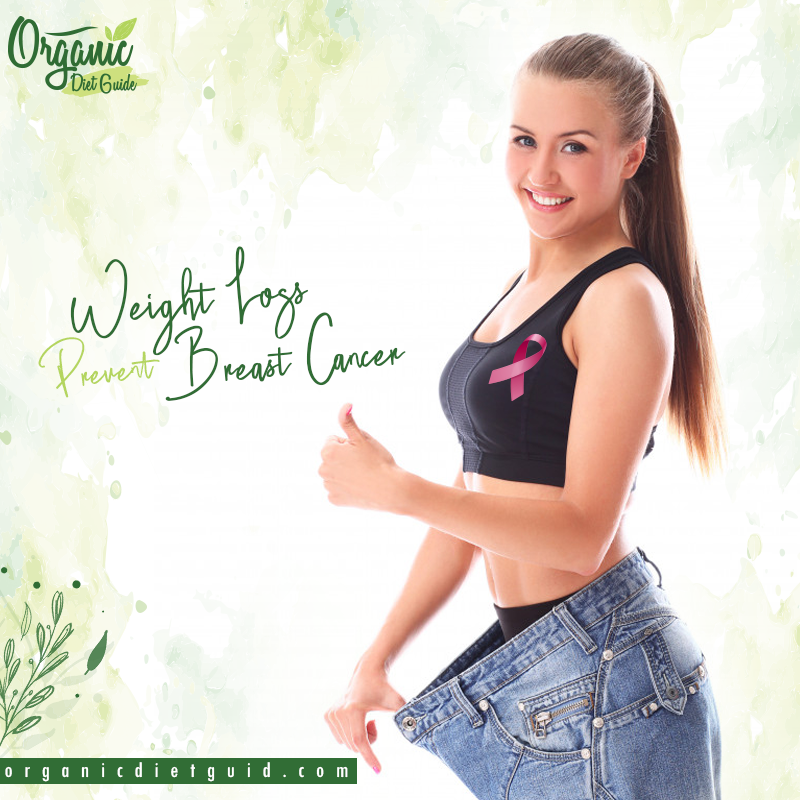
Losing Weight May Decrease Risk for Breast Cancer

For Women's | Weight Loss Prevent Breast Cancer...
Losing Weight May Decrease Risk for Breast Cancer
Previous studies have shown that high body mass index is a risk factor for postmenopausal breast cancer, however, until now scientists and medical professionals have not been clear on the impact that losing weight can have on a woman’s risk for developing breast cancer.

The Real Mom’s Guide
This most recent study analyzed data from the Pooling Project of Prospective Studies of Diet and Cancer (DCPP) to look at over 180,000 women aged 50 and older from ten studies – one of the largest data sets to consider weight loss as a specific breast cancer factor.

Conducted by researchers at the American Cancer Society and Harvard T.H.

Chan School of Public Health, the study monitored the weight of the participants over 10 years (at study enrollment; after about five years; then again about four years later) to determine the potential link between sustained weight loss and risk of breast cancer.

Secret Anabolic Recipes | Cook Healthy | Muscle Building Meals
They found that compared to women who maintained a stable weight, women who lost weight and kept it off showed a reduced risk of breast cancer. And to make the case even stronger for that New Year’s gym membership, the more weight loss, the lower the risk became.

The Harvard research on more than 180,000 participants found those who lost the most weight cut their risk by up to a quarter.

One in eight women in the UK will develop breast cancer during their lifetime.

Being overweight is a driving factor for the disease, particularly after the menopause.

This is because estrogen naturally drops after the age of around 55, but fat cells keep the hormone raised, which can cause tumors to grow.

Two in three women in Britain are overweight or obese.

Belly Fat in Women
The study involved women whose body mass index lay between 22.7 and 28.3 at the start of the research. Anything above 25 is considered overweight. Over the course of a decade, their weight was tracked.

Those who lost between 4.4 and 10 lbs saw their breast cancer risk fall by 13 percent, with falls of 16 percent for those losing between 10 and 20 lbs, and of 26 percent for those who lost even more.

Among those who lost the most weight, reductions in risk were seen even if they put some of it back on.

Study lead author Dr. Lauren Teras, an epidemiologist at the American Cancer Society, said: “Our results suggest even a modest amount of sustained weight loss is associated with lower breast cancer risk for women over 50.”

She said the findings, published in the Journal of the National Cancer Institute, could be a strong motivator for those who are overweight to try to shed the pounds.

“Perhaps equally as important, these results suggest that gaining weight, and then losing it, confers the same breast cancer risk as keeping a stable body weight.

“In other words, it is not too late to lower your risk of breast cancer if you have gained weight after age 50.”

excess body weight is an established risk factor for breast cancer. Research suggests that’s because too much body fat can elevate levels of sex hormones like estrogen, especially among postmenopausal women. But despite knowing there is a correlation between extra weight and breast cancer, it’s been difficult to study how losing that weight could affect an individual woman’s chance of developing cancer.

Now, a new paper published in the Journal of the National Cancer Institute provides encouraging evidence that, for women 50 and older, virtually any amount of sustained weight loss translates to a reduction in breast cancer risk.

“We’re so thankful to be able to say it’s not too late to lower your risk if you’ve previously gained weight, even after age 50,” says study co-author Lauren Teras, scientific director of epidemiology research at the American Cancer Society.

Healthy Diet Plant-Based Diet
The research drew on data collected through the Pooling Project of Prospective Studies of Diet and Cancer, an international set of studies that seeks to elucidate the relationship between diet and cancer among women without a history of the disease. For the new paper, researchers used data from about 180,000 women living in the U.S., Australia, and Asia, all of whom were 50 or older and cancer-free when the studies began. Each woman also provided researchers with data about her weight and body mass index, as well as lifestyle and demographic characteristics.

Lifestyle Changes to Improve Your Cholesterol
The researchers monitored participants’ weight changes for 10 years after they joined the study, examining survey data collected every few years to see if their weight had gone up, gone down, or remained stable. (Most studies used self-reported height and weight data.) After that decade, they tracked the women for another eight years or so to see how many developed breast cancer. Almost 7,000 did.

After adjusting for other factors that can affect breast cancer risks, such as exercise habits and the use of hormone replacement therapy, the researchers found that the more weight a woman lost, the lower her risk of breast cancer became. Among women not using hormone therapy (which is sometimes used to replace hormones lost during menopause, and has been linked to breast cancer risk), losing about 4.5 pounds—and keeping it off—seemed to be enough to drive risk down by around 18%, compared to a woman of similar starting weight who did not lose any. Sustained weight loss of 20 pounds and up corresponded to a roughly 32% lower risk.

Best Diets Weight loss Diet plans
Given the relationship between excess body weight and cancer risk, the effects of weight loss appeared to be much stronger among women who started the study overweight. That’s an important takeaway, Teras notes since about 70% of American adults are considered either overweight or obese. “Women who are at a healthy weight don’t need to lose weight,” Teras says.

Teras’ study could not prove cause and effect, only pick up on associations between weight loss and breast cancer. For that reason, she says, it’s not entirely possible to say why dropping pounds could reduce cancer risk, though it likely reverses some of the hormonal activity sparked by weight gain.

Understanding weight gain and cancer riskSeveral studies have explored why being overweight or obese may increase cancer risk and growth. The possible reasons that obesity is linked with cancer include:

Increased levels of insulin and insulin growth factor-1 (IGF-1), which may help some cancers develop

Losing Weight May Decrease Risk for Breast Cancer
Chronic, low-level inflammation, which is more common in people who are obese and is linked with an increased cancer risk

Higher amounts of estrogen produced by fat tissue, which can drive the development of some cancers, such as breast and endometrial cancers

Fat cells may affect processes that regulate cancer cell growth.

Breastfeeding super foods
How your weight changes throughout your life may also affect your risk of cancer. Studies have shown that the following factors can affect your cancer risk:

High birth weight

Gaining weight as an adult

Losing and regaining weight repeatedly

Research suggests that maintaining a healthy weight is associated with a lower risk of cancer and of cancer returning in survivors.

Types of cancer linked with an increased weight

Enlarge

Being overweight or obese has been linked to these cancers:

Breast

Colorectal

Uterine

Kidney

Head and neck

Esophageal

Pancreatic

Endometrium

Prostate

Gallbladder

Thyroid

Measuring weight gain Obesity is often measured with body mass index (BMI) and waist measurements. BMI is the ratio of a person’s weight and height. A healthy BMI is usually between 18.5 and 24.9. A BMI between 25 and 29.5 is considered overweight, while a BMI of 30 or higher is obese.

Also, people with larger waist measurements have a higher risk of various diseases, such as heart disease. Healthy waist measurement is under 40 inches for men and under 35 inches for women.

Weight management tips To control weight gain, pay attention to what you eat and how much you exercise. You should also make healthy choices about what you eat and drink. This can be challenging because eating a high-calorie diet is typical in the United States. The reasons for this include a complete, relatively low-cost food supply and large portions. Here are some tips to help:

Eat more vegetables, fruits, lean protein, and whole grains. Some types of food, such as broth-based soups, also help a person feel “full” faster.

Avoid foods and beverages that are high in sugar, such as juice and soda.

Eat and drink only as many calories as you need to maintain a healthy weight and support your level of physical activity.

Aim for 30 to 60 minutes per day of moderate to intense physical activity on most days. But even a small increase in physical activity has benefits.

There is a large body of evidence demonstrating that overweight and obesity, are associated with an increased risk of postmenopausal breast cancer.

Women who lose weight after age 50 and keep it off have a lower risk of breast cancer than women whose weight stays the same, according to a study from researchers at the American Cancer Society, the Harvard T.H.

The study was published on December 17, 2019 in the Journal of the National Cancer Institute.

This higher risk is partial because fat cells make estrogen; extra fat cells mean more estrogen in the body, and estrogen can make hormone-receptor-positive breast cancers develop and grow.

Scientists also have recently found that extra fat cells can trigger long-term, low-grade inflammation in the body.

Chronic inflammation has been linked to a higher risk of breast cancer recurrence; the proteins secreted by the immune system seem to stimulate breast cancer cells to grow, especially estrogen-receptor-positive breast cancer in postmenopausal women.

the results were seen more in women who were overweight or obese, Teras said getting to a healthy body weight has many health benefits and is a good goal for everyone.

Getting to a healthy weight and staying there is not easy for most people. Losing even a small amount of weight – for example, half a pound a week – is a good place to start.

Weight management tips..To control weight gain:
Eat more vegetables, fruits, lean protein, and whole grains. Some types of food, such as broth-based soups, also help a person feel “full” faster.

Avoid foods and beverages that are high in sugar, such as juice and soda.

Eat and drink only as many calories as you need to maintain a healthy weight and support your level of physical activity.

Aim for 30 to 60 minutes per day of moderate to intense physical activity on most days.

But even a small increase in physical activity has benefits.

Losing Weight May Decrease Risk for Breast Cancer

How to Pick the Perfect Avocado

Pick the Perfect Avocado! Thankfully we’ve picked up a few tips when it comes to selecting, storing, and prepping avocados so we can maximiz...